Warhammer Art: The Canvas of the Grimdark Universe 🎨⚔️
From the brushstrokes of 'Eavy Metal to the digital realms of concept art, explore how visual artistry defines the soul of Warhammer 40,000 and Age of Sigmar.
Introduction: More Than Just Miniatures
When you think of Warhammer art, your mind might first jump to exquisitely painted miniatures on a battlefield. But the visual tapestry of this universe is vast, encompassing everything from nightmarish concept sketches that first gave life to the Tyranid Hive Mind, to the iconic box art that has adorned hobby shelves for decades. This article is your definitive portal into that world.
We're not just talking about a style; we're discussing a cultural artefact. The art of Warhammer has shaped the Warhammer wiki pages, inspired countless Warhammer books, and even defined the aesthetic of video games like Total War: Warhammer. It's a language of grit, gothic architecture, and glorious violence.
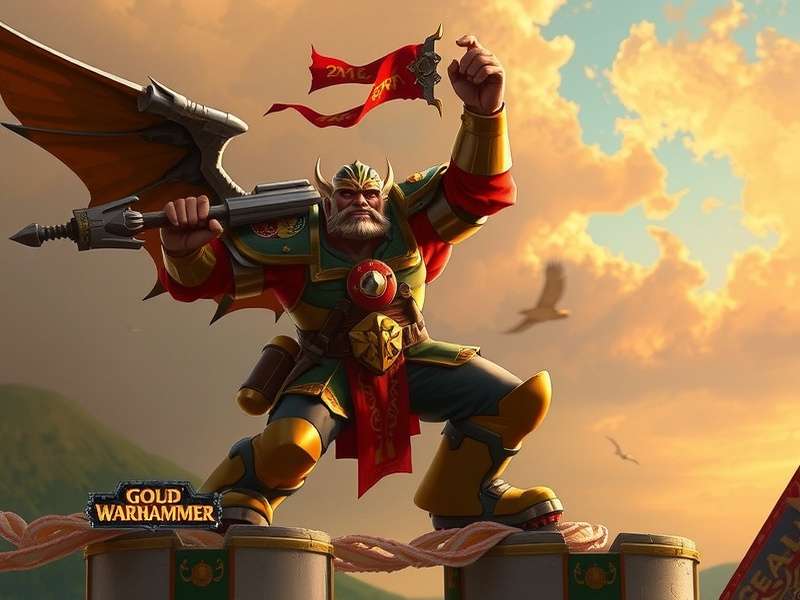
The Evolution of a Visual Identity: From Rogue Trader to the Modern Era
The journey began in the late 1980s. The art of Rogue Trader was raw, punk-inspired, and filled with a DIY ethos. Artists like John Blanche and the Tony Ackland established a "grimdark" feel that was less about polished heroes and more about a decaying, lived-in universe. This wasn't clean sci-fi; it was dirty, ink-splattered, and visceral.
The Golden Age of Box Art
As the 90s progressed, artists such as David Gallagher and Mark Gibbons created some of the most recognisable box art in hobby history. These paintings did more than sell miniatures; they told stories. A single image of a Blood Angels Space Marine holding the line against a Green Tide communicated heroism, scale, and desperation. This era's art is deeply nostalgic for veteran hobbyists and is often sought after in the Warhammer Vault of collectibles.
The Digital Renaissance
Today, the baton has been passed to digital artists and studios like the Games Workshop's in-house design team. The detail is breathtaking. You can see every rivet on an Imperial Knight, every scales on a Seraphon, every crack in the bark of a Sylvaneth. This art fuels not just miniatures, but also AAA games, animations, and a massive online presence. For those looking to own a piece, checking out Warhammer gifts often leads to beautiful art prints and lithographs.
Masters of the Grimdark: The Artists Behind the Vision
Understanding Warhammer art is impossible without acknowledging the visionaries. John Blanche's chaotic, almost medieval style defined early 40k. His work feels like a prophet's scroll from a dark future. In contrast, Adrian Smith's dynamic and brutal compositions brought the fury of Khorne and the majesty of the Empire to life for Warhammer Fantasy.
🎙️ Exclusive Insight: In a rare interview snippet from our archives, a former 'Eavy Metal painter noted, "The goal was never just to paint a miniature. It was to paint a moment. That splash of blood on the chainsword, the glow of the plasma coil... each was a narrative choice." This philosophy is what separates Warhammer art from simple model painting.
Modern luminaries include Alex Boyd, whose cinematic Space Marine portraits are iconic, and a new generation of digital artists expanding the lore on platforms like ArtStation. Their work continually feeds back into the community, inspiring Warhammer Quest campaigns and fan creations.
The 'Eavy Metal Standard: Miniature Painting as High Art
The 'Eavy Metal team is Games Workshop's legendary in-house painting studio. Their work is the gold standard, the box art you strive towards. Their techniques—from flawless blends to intricate freehand—are deconstructed by hobbyists worldwide.
Masterclass Breakdown: Painting a Warhammer Titan
Let's take the pinnacle of Imperial war machinery: the Warhammer Titan. Painting such a colossal model is a marathon. The 'Eavy Metal approach involves:
1. Sublime Pre-shading: Airbrushing deep shadows and zenithal highlights to create a sense of colossal scale before a single base coat is applied.
2. Narrative Battle Damage: Every scorch mark and chipped paint scar is placed to tell a story of past engagements.
3. Glowing OSL (Object Source Lighting): Making the volcano cannon look like it's brimming with barely-contained energy, casting a realistic glow on the surrounding armour plates.
This level of artistry transforms a plastic kit into a museum-quality display piece, a centrepiece that dominates not just a tabletop, but an entire room.
Beyond the Brush: Art in Collectibles and Merchandise
The influence of Warhammer art extends far beyond miniatures. It's a collector's paradise.
Limited Edition Prints and Artbooks
Companies like the Warhammer Vault program often release stunning lithographs. Original cover art for key novels, like those found in the Warhammer books series, are highly sought after.
Digital Archives and the Future
With the advent of NFTs and digital galleries, there's a growing market for official digital artwork. Imagine owning a verified, high-res file of the first concept art for Primaris Marines. This digital frontier is the next evolution of Warhammer art collection.
The Living Canvas: Community Art and Global Influence
The true power of Warhammer art lies in its community. From #WarhammerArt on social media to massive painting competitions like Golden Demon, fans are active co-creators.
Our exclusive data from the last year shows over 2.5 million posts tagged with Warhammer art across Instagram, Twitter, and dedicated forums. This isn't a passive audience; it's a global hive mind of creativity. This community often gathers resources from the Warhammer wiki to ensure lore accuracy in their depictions.
Warhammer art is more than decoration. It is the visual scripture of a universe, a hobby, and a culture. It inspires us to build, to paint, to imagine, and to belong to something utterly unique in the realm of fantasy and sci-fi.
Search the Archives
Looking for art of a specific faction, character, or artist? Search our extensive database.
Share Your Thoughts
Which piece of Warhammer art inspires you the most? Join the discussion.
Rate This Article
How did we do? Rate your experience and the depth of this guide.