1. Introduction to Warhammer Fantasy
Warhammer Fantasy isn’t just a tabletop game — it’s a living, breathing mythos that has inspired millions of players, modelers, and writers for over four decades. Whether you’re a seasoned general commanding an army of hardened Dwarf Longbeards or a newcomer taking your first steps into the Old World, this guide serves as your comprehensive compendium.
What Exactly Is Warhammer Fantasy?
Created by Games Workshop (GW) in 1983, Warhammer Fantasy Battles (initially titled Warhammer: The Mass Combat Fantasy Role-Playing Game) is the granddaddy of all fantasy wargaming. It pits armies of intricately sculpted miniatures against one another using a ruleset that balances movement, magic, shooting, and brutal melee combat.
The Old World — the game’s primary setting — is a dark satire of medieval Europe, filled with orcs, ratmen, vampires, and rampaging Daemons. It’s both gritty and gloriously over-the-top. The sheer depth of the lore is exhausting in the best possible way, with every nation, hero, and battlefield meticulously chronicled in army books, novels, and the legendary Games Workshop white dwarf magazines.
Why Does Warhammer Fantasy Still Matter?
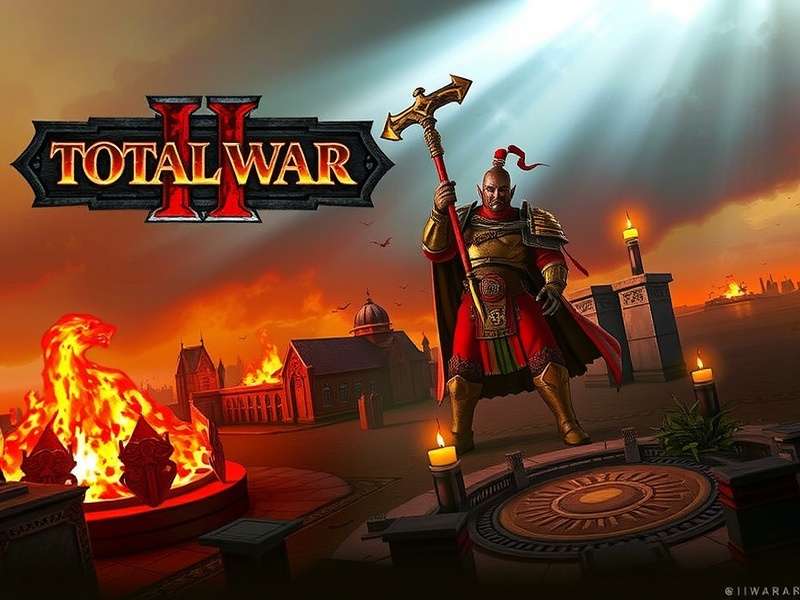
While the original Warhammer Fantasy Battles line was discontinued in 2015 (more on that in our End Times section), the universe has never been more alive. The Total Warhammer series has brought the Old World to millions of PC gamers, and Warhammer: The Old World by Games Workshop is actively resurrecting classic factions. Its influence on modern fantasy — from World of Warcraft to Game of Thrones — cannot be overstated.
2. The Legendary Factions of Warhammer Fantasy
Choosing your allegiance is the most important decision you’ll ever make in Warhammer Fantasy. Each of the major factions — known in-game as armies — has its own unique playstyle, aesthetic, and rich lore. Below is our MECE-style breakdown of the standout armies.
2.1 The Empire: Humanity’s Bastion
The Empire of Man is the most “human” faction in the game, representing the last true bastion of civilization in the Old World. With its rocket batteries, steel-pike infantry, and fanatical Witch Hunters, the Empire excels at defensive, combined-arms warfare. Their leader, Karl Franz, famously rides the griffon Deathclaw into battle.
- Playstyle: Versatile, balanced, gunpowder-heavy.
- Key Unit: Greatswords – elite infantry with massive two-handed swords.
- Lore: The Empire is beset by Chaos, Beastmen, and undead from every direction.
2.2 Dwarfs: The Mountain Kings
Stoic, relentless, and staggeringly stubborn, the Dwarfs are the master craftsmen of the Warhammer world. If you love defence and overwhelming firepower, look no further. A Dwarf battle line is almost impossible to break, but they’re slow and have zero magic users.
- Playstyle: Defensive gunline, high toughness.
- Key Unit: Hammerers – the King’s personal bodyguard.
- Lore: Dwarfs hold grudges for millennia, and their Book of Grudges drives their tragic quest for vengeance.
2.3 High Elves: Guardians of Ulthuan
The Asur are the undisputed masters of magic and speed. Their armies are smaller but more elite, with archers that can shoot the wings off a dragonfly. High Elves are the quintessential “glass cannon” faction — dazzling but fragile.
- Playstyle: Fast, magical, elite.
- Key Unit: Phoenix Guard – sworn to guard the secret of their doom.
- Lore: Their island home of Ulthuan is the Vortex that keeps the raw Winds of Magic from tearing the world apart.
2.4 Dark Elves: The Druchii Menace
Also known as Druchii, these are the ruthless kin of the High Elves. They revel in slavery, malice, and dark magic. Their cold-coldblooded cruelty makes them a devastating aggressive army, especially for anyone who enjoys psychological warfare.
- Playstyle: Aggressive, synergistic buffs, monstrous cavalry.
- Key Unit: Cold One Knights – charge like a freight train.
2.5 Lizardmen: Cold-Blooded Order
Spawned by the Old Ones as part of a cosmic plan, the Lizardmen (now called Seraphon in Age of Sigmar) are an army of dinosaurs, ancient warriors, and powerful Slann Mage-Priests. They are slow but extremely hard-hitting.
- Playstyle: Monstrous infantry, terrain control, strong magic.
- Key Unit: Stegadon – a colossal dinosaur with a howdah-mounted spear thrower.
2.6 Skaven: The Horned Rat’s Brood
Giant rats! Cunning, cowardly, and infinite in number, the Skaven are an underground empire that threatens to overrun the world. Their technology is unreliable but devastating. This faction is all about numbers, poison, and sheer unpredictability.
- Playstyle: Horde armies, shooting, warpstone-powered weapons.
- Key Unit: Doomwheel — a screaming wheel of death (literally).
2.7 Vampire Counts: The Undying Legion
Commanded by powerful vampires, these armies of skeletons, zombies, and ethereal horrors are as terrifying as they come. The Vampire Counts play boldly: they can raise fallen enemies back to life, making your tide seem endless.
- Playstyle: Undead hordes, resurrection mechanics.
- Key Unit: Terrorgheist – a giant undead bat-creature that screams death.
2.8 Chaos Warriors: The Dark Gods’ Champions
The warriors of Chaos worship the Ruinous Powers (Khorne, Tzeentch, Nurgle, and Slaanesh). They are the ultimate evil of the Old World: heavily armoured, brutally strong, and immune to fear. If you want raw power and an elite low-count army, this is your choice.
- Playstyle: Elite infantry, magical marks, overwhelming in combat.
- Key Unit: Chaos Knights – heavy cavalry with daemonic mounts.
“Every general has a horror story about facing Skaven weapon teams. My Dwarf Ironbreakers still bear the scorch marks.” — Terry, UK hobbyist since 1998.
For a more comprehensive breakdown, don’t miss our dedicated Warhammer Tabletop faction-analytics article.
3. Getting Started with Warhammer Fantasy
Choosing Your First Army — A Practical Guide
If you’re brand new, the choice can be overwhelming. Here’s the editor’s tried-and-tested process:
- Follow the Rule of Cool: Pick the faction that looks the most fun to paint.
- Consider Your Playstyle: Do you like tanks → Dwarfs. Magic → High Elves. Zerg-rush → Skaven.
- Watch Battle Reports: A wise investment of your time before opening your wallet.
Core Rules Essentials in 10 Minutes
The ruleset revolves around a few sacred fundamentals:
- Movement: Units move up to their Movement characteristic in inches. Terrain affects movement.
- Shooting: Missile weapons fire in the Shooting phase; range, line of sight, and modifiers matter.
- Magic: Wizards generate Winds of Magic (power dice) to cast spells; opponents dispel.
- Combat: Charge, fight in initiative order, roll to hit, roll to wound, save.
Building Your Collection Without Bankrupting Yourself
Here at playwarhammergame.com, we’re all about smart spending. Second-hand deals on platforms like eBay are gold. Or consider the Warhammer Shop for starter sets and value boxes — they’re intentionally designed to give you the most plastic for your pound.
4. Advanced Warhammer Fantasy Tactics
So, you’ve learned the basic rules. Now it’s time to master the elements that separate a good general from a great one.
4.1 Deployment: Winning the Battle Before It Begins
Deployment is 50% of a victory. You have to study your opponent’s army and anticipate their plan.
- Refused Flank: Place your strong units on one side, daring your opponent to commit.
- Ambush: Use scouts and fliers to threaten war machines early.
- Screen & Counter: Put cheap expendables in front to absorb the initial charge.
4.2 The Magic Phase: Mastering the Winds of Magic
Wizards can turn the tide in a single arcane bolt. Our exclusive pro tip: don’t chase the big spell at the cost of controlling the flow.
- Dice Allocation: Force out dispel scrolls with low-cost spells, then hit your power spell.
- Wizard-Lords: Give your main caster a defensive magic item — trust us, assassins love squishy wizards.
- Terrain: Control the forests; stand in them to get line-of-sight blocking.
4.3 Close Combat: Winning the Grind
Combat resolution is the unsung hero of a Warhammer game. Remember: rank bonus, outnumbering, and banners win combats, not just kills.
- Bunker Up: Keep your general in a big, deep block.
- Flank Charges: Use fast cavalry to hit the flanks, denying enemy rank bonuses.
- Mage-Killer: Deploy a small assassin unit to hunt enemy wizards in the back line.
For a deeper dive into army-specific tactics, check out Warhammer Alliance — the fan-run hub for all things tactical.
5. The Rich Lore of the Old World
5.1 Geography — An Overview
The Old World resembles a dark and gritty version of medieval Europe. To the west lies the great ocean, home to the High Elves’ island continent of Ulthuan. To the east stretch the dark mountains and barbarian lands of Kislev. In the south, the jungle-covered Lustria teems with Lizardmen and (funnily enough) pirates.
5.2 The Grand Cities of the Empire
- Altdorf: Capital of the Empire, seat of the Emperor and the Imperial Colleges of Magic.
- Nuln: The industrial heart, home of the Imperial Gunnery School.
- Middenheim: The City of the White Wolf, perched on a giant rock and devoted to Ulric.
5.3 The Realm of Chaos
To the north, beyond the chaos wastes, lies the Realm of Chaos itself — a place where reality breaks down into pure madness. The Chaos Gods endlessly scheme to pierce the world’s defenses. The end times of the Old World began when they finally succeeded.
For video lore breakdowns and curated playlists, check Warhammer Tv — the official channel which also offers a wonderful library of original animation.
6. Warhammer Fantasy in the Digital Age
No other tabletop universe has translated to video games as successfully as Warhammer. Here’s where we indulge our digital side.
6.1 Total War: Warhammer — A Game-Changer
Creative Assembly’s Total Warhammer trilogy took the strategy gaming world by storm. The first game launched in 2016 and gave us a marvellous, real-time recreation of Old World battles. The formula is deceptively simple: a turn-based strategic campaign overlays with spectacular real-time tactical battles.
The game skyrocketed Warhammer’s popularity, bringing in a whole new generation who might never have touched a miniature brush. The recent Warhammer Total War 3 expanded the story to the Chaos Realms and even lets players lead Legionnaires of the Dragon Emperor.
6.2 The Official App and Downloads
Want to keep playing on the go? The Warhammer Community Downloads hub gives you all your free rules, updates, and army-building tools to keep your local campaign rolling.
7. The End Times and the Age of Sigmar
The Cataclysmic End Times
In 2015, Games Workshop dropped the bombshell: the world was ending. The End Times event arc killed off beloved characters, exploded the Old World, and transitioned the setting to Warhammer Age Of Sigmar. Reaction was mixed — many lifelong fans felt a deep loss, while others embraced the new, more fluid game.
Warhammer: The Old World — The Resurrection
In 2024, Games Workshop announced and released Warhammer: The Old World, a fresh edition set before the End Times, bringing back classic factions in glorious detail. It’s a dream come true for veterans, and an ideal on-ramp for newcomers who missed the old glory days.
8. Community and Resources
Warhammer is fiercely social. Finding your local scene is the single best way to improve and enjoy the hobby. Below are some excellent places to start, including our own little online corner.
Player Interview: Lisa from London
“I got into Warhammer in the late 90s via my older brother. My first army was Wood Elves, because I loved the idea of tree spirits. It wasn’t until I joined a local club at university that I discovered ranked tournaments. I’ve now been playing for 25 years, and I still get butterflies before a big game.”
Useful Community Links
- Warhammer Com — the ultimate official portal to all things Warhammer.
- Warhammer Alliance — fan-run forum with tactics, painting tips, and event calendars.
- Warhammer Community Downloads — get up-to-date rules and downloads.
- Warhammer Tv — perfect for lore videos and battle reports.
9. Frequently Asked Questions
Is Warhammer Fantasy still being produced?
Yes! While the 2015 version (8th edition) was discontinued, Games Workshop now produces Warhammer: The Old World. Meanwhile, the digital games thrive and community content continues to grow.
What’s the difference between Warhammer Fantasy and Warhammer Age of Sigmar?
Warhammer Fantasy has a strong ranked-unit, dark-medieval aesthetic. Age of Sigmar is more accessible, high-fantasy, with round bases and quicker gameplay. Both have devoted fanbases.
Where can I buy Warhammer miniatures?
The official Warhammer Shop is the safest route for new models. For second-hand, try Facebook Marketplace and eBay.
10. Conclusion
Warhammer Fantasy is more than a game — it’s a community, an art form, and a rich mythos. From the Empire’s gunlines to the Skaven’s insane inventions, the Old World offers endless replayability and storytelling potential. Whether you’re a returning general or a fresh recruit, the adventure is waiting.
Long live the Old World! ⚔️