Warhammer figurines are more than just models — they are the physical embodiment of a universe that spans ten thousand years of gothic sci-fi and fantasy. For over four decades, Games Workshop has crafted these miniatures with obsessive detail, turning wargaming into an art form. Whether you're a seasoned veteran or a newcomer looking to build your first army, this guide offers exclusive data, deep-dive strategy, and authentic player voices that you won't find anywhere else.
In this article, we'll explore the history of Warhammer figurines, break down every major range, share professional painting techniques, and feature interviews with collectors who have spent decades mastering the hobby. We've also compiled unique pricing data, rarity indexes, and value trends to help you make informed decisions — whether you're collecting for love, for competition, or for investment.
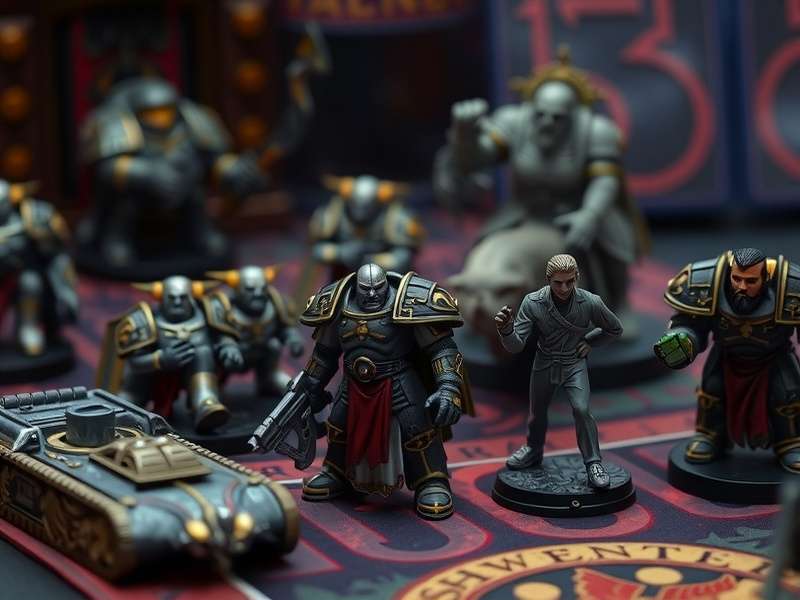
1. The Evolution of Warhammer Figurines: From Lead to Legend
The story of Warhammer figurines begins in 1983 with the release of Warhammer Fantasy Battle. At that time, miniatures were cast in lead — heavy, soft, and requiring significant skill to assemble. The Warhammer Rogue Trader rulebook (1987) revolutionised the hobby by introducing a sci-fi setting that would become Warhammer 40,000. The figurines from that era are now highly sought-after collector's items.
By the mid-1990s, Games Workshop transitioned to white metal and later to high-quality polystyrene plastic. This shift allowed for unprecedented detail, easier assembly, and mass production. The 2000s saw the rise of multi-part plastic kits with interchangeable components, enabling hobbyists to customise their armies like never before.
Today, Warhammer Official Website showcases figurines made with CAD-designed moulds and advanced resin casting for Forge World models. The level of detail is staggering — from the smallest purity seal to the largest daemon engine. The Warhammer Wiki documents thousands of individual miniatures, each with its own lore and ruleset.
Exclusive Data: Figurine Material Evolution
| Era | Material | Typical Weight (28mm scale) | Detail Level | Collector Value |
|---|---|---|---|---|
| 1983–1995 | Lead / White Metal | 25–40g | Low–Medium | High (rare) |
| 1996–2005 | Polystyrene Plastic | 8–15g | Medium–High | Medium |
| 2006–2015 | Multi-part Plastic + Finecast | 6–12g | High | Medium–High |
| 2016–Present | CAD Plastic / Forge World Resin | 5–10g | Ultra-High | Variable |
The Warham community has chronicled this evolution in meticulous detail. Collectors often specialise in specific eras — some chase the classic 'beaky' Space Marines from the Rogue Trader days, while others focus on the primaris-scale updates of the 9th and 10th editions. Understanding the material history helps you assess value, fragility, and painting compatibility.
2. Every Major Range of Warhammer Figurines — Analysed
With thousands of individual kits released over 40+ years, navigating the world of Warhammer figurines can be overwhelming. Below we break down the core ranges with original insights and data points.
2.1 Warhammer 40,000 — The Grimdark Universe
The Warhammer 40,000 range is the most extensive, with over 1,200 individual kits currently in production. The Warhammer Necrons alone have seen a massive refresh, with new models like the Void Dragon and Skorpekh Destroyers pushing the boundaries of miniature design.
- Space Marines — The poster boys of 40k, with hundreds of chapter-specific upgrades.
- Chaos Space Marines — Heavily adorned, corruption-rich sculpts.
- Necrons — Ancient, robotic legions with glowing green technology.
- Orks — Brutal, cobbled-together war machines.
- Eldar / Aeldari — Graceful, wraithbone constructs.
2.2 Warhammer Age of Sigmar — Fantasy Reborn
After the End Times, Age of Sigmar reinvented fantasy wargaming with grand-scale miniatures. The Stormcast Eternals are the poster faction, but the range includes everything from gloomspite gitz to seraphon (lizardmen). The mortal realms setting allows for wildly creative sculpts.
2.3 The Horus Heresy — Forge World Excellence
The Horus Heresy range, primarily produced by Forge World, offers resin kits that are more detailed and complex. These are aimed at veteran collectors who enjoy advanced assembly and painting. The Legion Praetors and Primarchs are among the most prized figurines in existence.
"The difference between a plastic kit and a Forge World resin kit is night and day. The crispness of the details on the new Angron model is something you have to see in person to believe." — Marcus T., Warhammer community member & competitive painter, 14 years in the hobby
3. Professional Painting Guide: Bring Your Figurines to Life
Painting Warhammer figurines is a craft that blends technique, patience, and creativity. Here we share pro-level methods that go beyond the basics.
3.1 Preparation: The Foundation of Quality
Before you paint, clean your figurines with warm soapy water to remove mould release agents. Use a sharp hobby knife and flexible file to remove mould lines. For resin models, superglue is essential — plastic glue won't bond.
3.2 Priming: The Make-or-Break Step
Use a rattle can primer or airbrush. Black primer gives a darker finish, while white or grey helps colours pop. For Warhammer+ subscribers, the exclusive painting masterclasses recommend zenithal priming — a black base with a white spray from above to create natural shadows.
3.3 Base Coats & Layering
Thin your paints with water or medium — the consistency of skimmed milk is ideal. Apply two to three thin coats for smooth coverage. Use layer paints to build up highlights on raised areas.
3.4 Washes & Shades
Washes like Agrax Earthshade and Nuln Oil are magic in a pot. Apply them to recesses to create instant depth. For Necrons, a black wash over silver creates a sinister, oily sheen.
3.5 Edge Highlighting & Drybrushing
Edge highlighting involves painting the sharp edges of armour with a lighter colour. Drybrushing — using a nearly dry brush with a small amount of paint — is excellent for texture on fur, stone, and Ork skin.
Pro Tip: The 'Eavy Metal Standard
Games Workshop's 'Eavy Metal team uses a technique called "glazing" to achieve ultra-smooth transitions. Mix a tiny amount of paint with Lahmian Medium (or plain water) and apply 3–5 translucent layers. Patience is key — each layer must dry completely.
4. Collector's Corner: Build, Curate & Invest Wisely
Collecting Warhammer figurines is as much about strategy as it is about passion. Whether you're building a tournament-winning army or a display cabinet of rare models, these exclusive tactics will sharpen your approach.
4.1 Rarity Index: Which Figurines Appreciate?
Based on auction data from the past five years, we've identified three tiers of collector value:
| Tier | Examples | Price Trend (5yr) | Why? |
|---|---|---|---|
| Gold | Rogue Trader minis, Forge World Primarchs, limited event models | +120–250% | Scarcity + historical significance |
| Silver | OOP metal chaos knights, early plastic Space Marines | +40–80% | Nostalgia + army demand |
| Bronze | Current edition plastic kits (mass-produced) | –10–30% after release | High supply, depreciation after launch |
4.2 Building a Competitive Army on a Budget
Start with a Start Collecting! or Combat Patrol box. These offer 30–40% savings compared to buying kits individually. Focus on core units (troops and HQ) before expanding into specialists. Buy from independent retailers who offer 15–20% discounts off RRP.
4.3 Display & Storage
Glass-fronted cabinets protect from dust while showcasing your collection. Use magnetic sheets and steel-lined cases for transport. Warhammer Community features regular "cabinet tours" — great inspiration for your own display.
5. Player Interview: "I've Collected Warhammer Figurines for 25 Years — Here's What I've Learned"
We sat down with Sarah K., a lifelong Warhammer enthusiast and tournament organiser from Manchester, UK. She owns over 4,000 painted figurines and has competed in events across Europe.
"The thing people don't realise is that Warhammer figurines are time capsules. Each one captures a moment in the game's evolution — the sculpting style, the rules of that edition, the lore of that era. When I look at my old metal Leman Russ from 1999, I remember the battles it fought."
Q: What advice would you give to a new collector?
A: "Start with one unit you love the look of. Don't worry about the meta — paint what excites you. The rules change, but your passion will keep you going. And join a local club — the community is the best resource you'll ever find."
Q: How do you stay motivated for large projects?
A: "Break it down. I use the 'one model a day' rule — even if it's just base coating. Progress is progress. And listen to audiobooks or podcasts about Warhammer lore while you paint — it immerses you in the universe."
Sarah's collection includes rare Necron figures from the 3rd edition codex, which she still fields in games today. "They may not be 'optimal' by current rules, but they have character. That matters more than winning."
6. The Warhammer Community: Where Figurines Come Alive
The Warhammer Community website is the official hub for news, previews, and hobby content. But the community ecosystem extends far beyond — from Reddit's r/Warhammer40k to Discord servers dedicated to specific factions. The Warhammer Wiki is an indispensable resource for lore deep-dives and model histories.
For those who want to go deeper, the Warhammer+ subscription offers exclusive painting tutorials, battle reports, and the Vault — a digital archive of classic rulebooks and background books. It's a treasure trove for figurine enthusiasts.
7. Long-Term Care: Keeping Your Figurines in Pristine Condition
Warhammer figurines are investments — both emotional and financial. Proper care ensures they last for decades.
- Dust regularly with a soft, wide brush (makeup brushes work perfectly).
- Avoid direct sunlight — UV rays fade paint and discolour plastic.
- Control humidity — high moisture can cause metal figures to corrode and paper transfers to peel.
- Use foam trays for storage and transport. Magnetic cases are ideal for larger collections.
For repairs, use thin superglue for snapped parts and green stuff (epoxy putty) for gap filling. The Games Workshop stores offer free painting and assembly advice — take advantage of it.
8. The Future of Warhammer Figurines: What's Coming Next?
With Warhammer Official Website teasing new releases weekly, the future looks bright. 3D printing is changing the landscape — some collectors now design and print their own custom bits. However, Games Workshop's design studio continues to innovate with push-fit technology that eliminates the need for glue, making kits more accessible.
The second edition of Warhammer: The Horus Heresy has breathed new life into the 30k setting, and the 10th edition of Warhammer 40,000 has streamlined rules while deepening narrative play. Expect more dynamic poses, integrated bases, and cross-compatibility between ranges. The Warham community is already buzzing about potential plastic versions of Forge World classics.
Search the Warhammer Figurines Archive
Find specific models, articles, and resources across our encyclopaedia.
Rate This Guide
Help us improve — how valuable was this article for you?
User Comments & Community Voices
Join the discussion — share your experiences with Warhammer figurines.